
- Advanced Android - Home
- Advanced Android - Material Design
- Advanced Android - Sliding Menu
- Advanced Android - Tabs
- Advanced Android - Sliders
- Advanced Android - Floating Labels
- Advanced Android - ViewPager
- Material Login & Registration
- Advanced Android - Snackbar
- Expandable List View
- Search Functionality
- Count Down Functionality
- Draw Spritesheet
- Advanced Android - Linkify Class
- Advanced Android - ViewFlipper
- Advanced Android - loader
- Advanced Android - Slider Menu
- SwipeRefreshLayout
- Shake to Refresh
- Advanced Android - Color Palette
- Crumbling Layout
- Advanced Android - Page Flip
- Ken Burns effect
- Advanced Android - Parallax Header
- Borderless Dialog
- Advanced Android - Holder View
- Scrolling TextView by Ticker
- Floating Action Menu
- Spinner Data from Database
- Advanced Android - Flexbox Layout
- Advanced Android - YouTube API
- Video Streaming
- Cardview & Recycleview
Selected Reading
Advanced Android - ViewFlipper
ViewFlipper is an extension class of ViewAnimator, which animates between two or more views that have been added to it. Specfically, only one child is shown at a time
Example
This example demostrate about how to integrate Android ViewFlipper.
Step 1 − Create a new project in Android Studio,go to File New Project and fill all required details to create a new project.
Step 2 − Add the following code to res/layout/activity_main.xml.
Here abc indiacates the logo of tutorialspoint.com
<?xml version="1.0" encoding="utf-8"?>
<LinearLayout xmlns:android = "http://schemas.android.com/apk/res/android"
   android:orientation = "vertical"
   android:layout_width = "fill_parent"
   android:layout_height = "fill_parent" >
   <Button android:id = "@+id/flip_me"
      android:layout_width = "fill_parent"
      android:layout_height = "wrap_content"
      android:text = "Flip Me!" />
   <ViewFlipper android:id = "@+id/details"
      android:layout_width = "fill_parent"
      android:layout_height = "fill_parent" >
      <ImageView
         android:id = "@+id/imageView1"
         android:layout_width = "wrap_content"
         android:layout_height = "wrap_content"
         android:src = "@drawable/abc" />
      <TextView
         android:layout_width = "fill_parent"
         android:layout_height = "wrap_content"
         android:textStyle = "bold"
         android:textColor = "#FFFF0000"
         android:text = "This is the second panel" />
      <TextView
         android:layout_width = "fill_parent"
         android:layout_height = "wrap_content"
         android:textStyle = "bold"
         android:textColor = "#FFFFFF00"
         android:text = "This is the third panel" />
    </ViewFlipper>
</LinearLayout>
Step 3 − Add the following code to src/MainActivity.java
package myapplication.example.com.myapplication;

import android.app.Activity;
import android.os.Bundle;
import android.view.View;
import android.widget.Button;
import android.widget.ViewFlipper;

public class MainActivity extends Activity {
   ViewFlipper flipper;
   @Override
   public void onCreate(Bundle icicle) {
      super.onCreate(icicle);
      setContentView(R.layout.activity_main);
      flipper = (ViewFlipper)findViewById(R.id.details);
      Button btn=(Button)findViewById(R.id.flip_me);
      btn.setOnClickListener(new View.OnClickListener() {
         public void onClick(View view) {
            flipper.showNext();
         }
      });
   }
}
Step 4 − No need to change manifest.xml
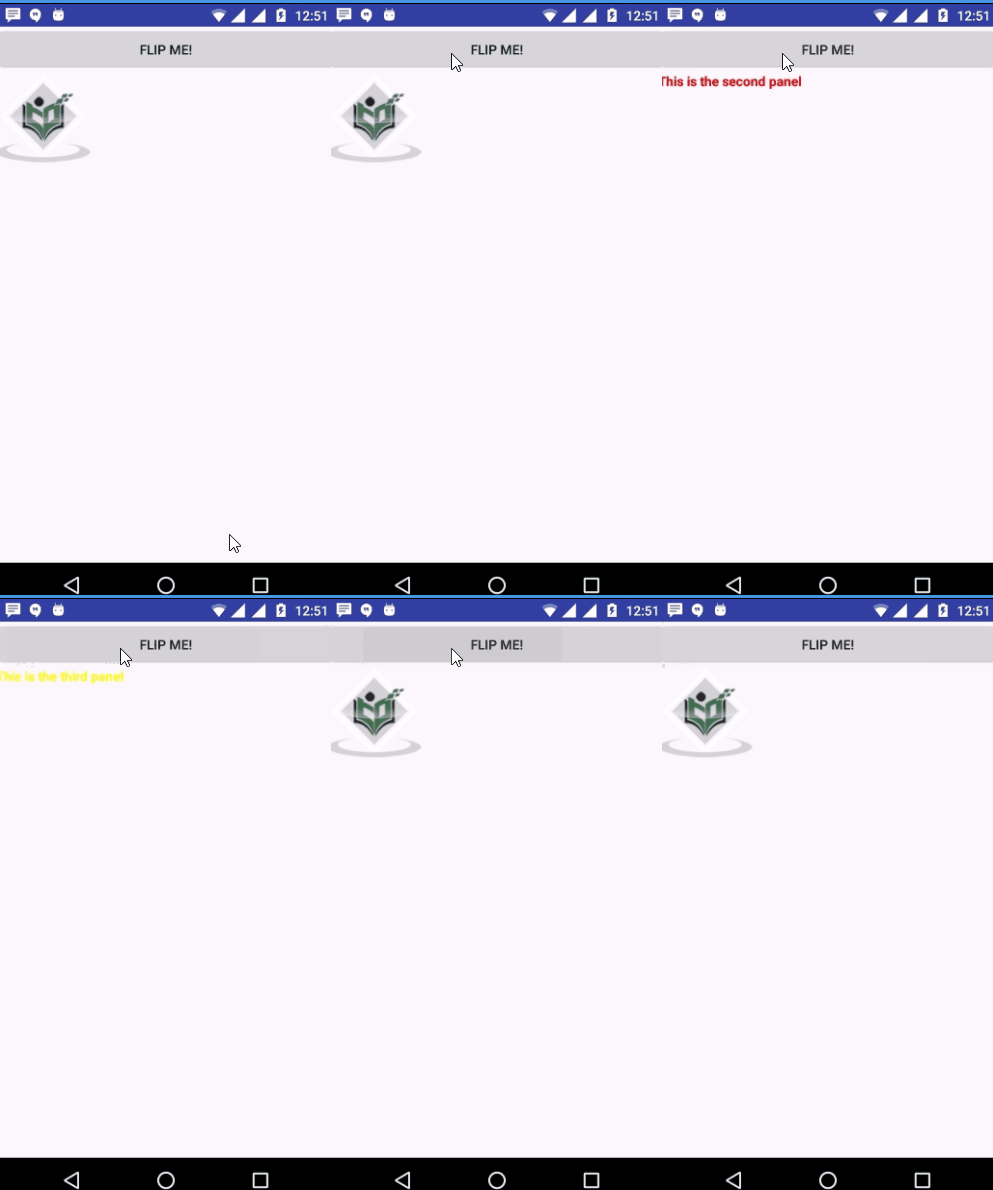
Let's try to run your application. I assume you have connected your actual Android Mobile device with your computer. To run the app from android studio, open one of your project's activity files and click Run  icon from the toolbar. Select your mobile device as an option and then check your mobile device which will display your default screen −

Advertisements