
Article Categories
- All Categories
-
 Data Structure
-
 Networking
-
 RDBMS
RDBMS
-
 Operating System
-
 Java
Java
-
 MS Excel
-
 iOS
iOS
-
 HTML
HTML
-
 CSS
CSS
-
 Android
-
 Python
-
 C Programming
-
 C++
C++
-
 C#
C#
-
 MongoDB
-
 MySQL
MySQL
-
 Javascript
-
 PHP
PHP
-
 Economics & Finance
Windows in safe mode troubleshoots all system issues
Windows Safe Mode is a diagnostic startup mode that loads only essential system files and drivers, allowing users to troubleshoot and resolve system issues that prevent normal Windows operation. When computers experience problems due to faulty drivers, malware infections, or software conflicts, Safe Mode provides a minimal environment where these issues can be addressed safely.
Safe Mode operates as a bare-bones version of the Windows operating system, designed to boot the system securely without problematic software interference. This stripped-down environment facilitates troubleshooting by eliminating potential conflicts and providing access to system tools needed to resolve problems.
How Safe Mode Works
Methods to Start Windows in Safe Mode
Method 1 − Using System Configuration (Windows 7/8)
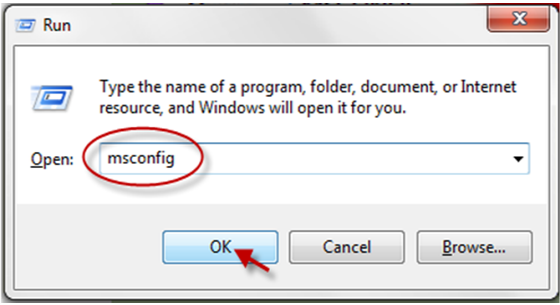
Press Windows + R to open the Run dialog, type msconfig and press Enter.
In the System Configuration window, click the Boot tab, check the Safe boot option, select Minimal, then click Apply and OK. The computer will automatically boot into Safe Mode on restart.
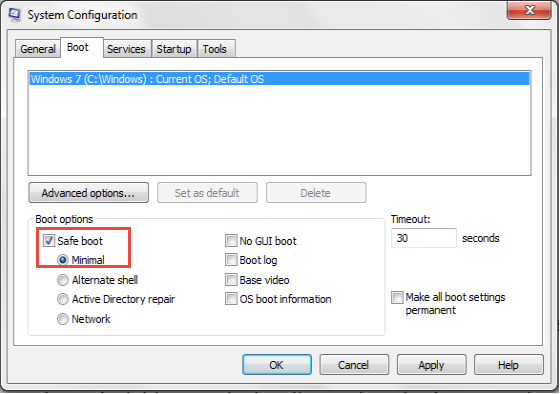
To return to normal mode, repeat the steps and uncheck the Safe boot option.
Method 2 − Advanced Startup Options (Windows 8/10)
On the Sign-In screen, click the Power button, hold Shift and click Restart. This opens the Advanced Startup Options menu where you can select Safe Mode.
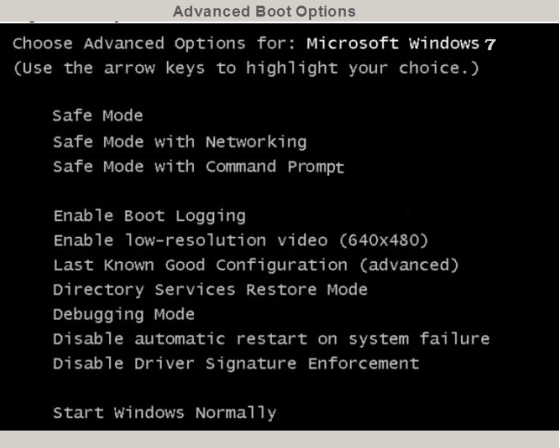
Method 3 − F8 Key Method (Windows XP/Vista/7)
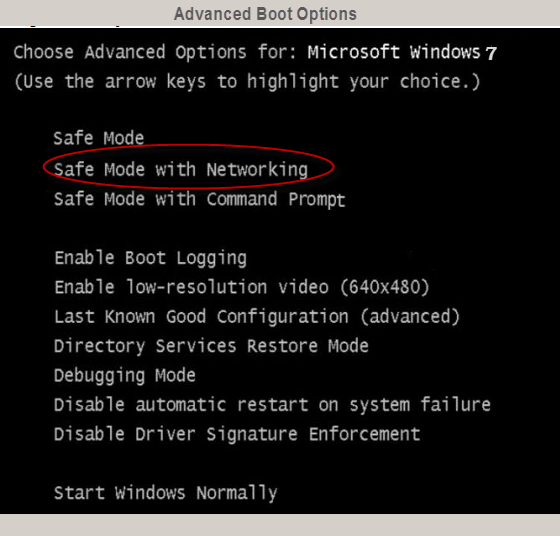
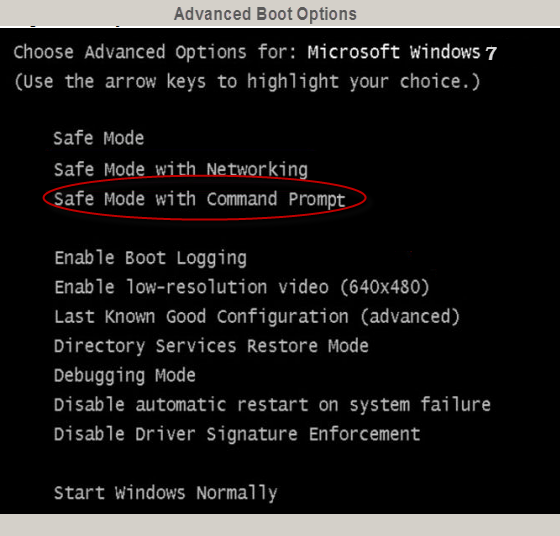
Restart the computer and repeatedly press F8 during startup to access the Advanced Boot Options menu. Select your preferred Safe Mode option from the list.

Types of Safe Mode
| Mode Type | Network Access | Interface | Best For |
|---|---|---|---|
| Safe Mode | No | Windows GUI | Virus removal, driver fixes |
| Safe Mode with Networking | Yes | Windows GUI | Driver downloads, online troubleshooting |
| Safe Mode with Command Prompt | No | Command Line | Advanced repairs, disk checking |
Safe Mode (Regular)
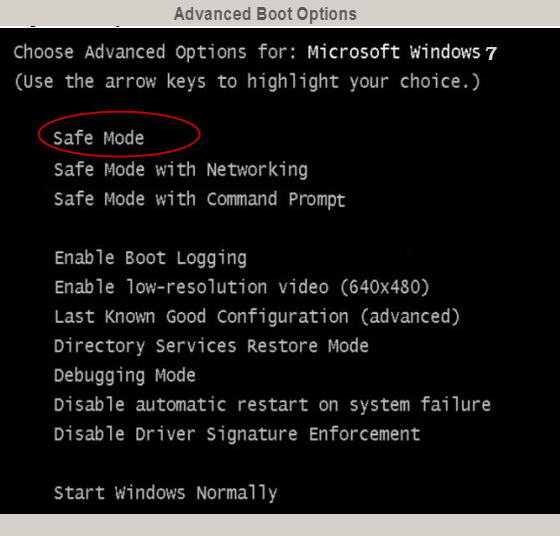
The standard Safe Mode loads minimal drivers without network connectivity, making it ideal for removing malware and fixing driver conflicts.
Safe Mode with Networking
This mode includes network drivers, allowing internet access for downloading drivers, updates, or accessing online troubleshooting resources.
Safe Mode with Command Prompt
Provides a DOS command prompt interface instead of the Windows desktop, useful for running diagnostic commands like chkdsk or sfc /scannow.
Common Use Cases
Malware removal − Many viruses cannot run in Safe Mode's restricted environment
Driver troubleshooting − Remove or rollback problematic device drivers
System file repair − Run system file checker and other repair utilities
Software conflicts − Uninstall programs causing system instability
Boot issues − Access system when normal startup fails
Conclusion
Windows Safe Mode is an essential troubleshooting tool that provides a stable, minimal environment for resolving system problems. By loading only critical drivers and services, it eliminates conflicts and allows users to perform repairs, remove malware, and fix driver issues that would be impossible in normal mode.

304 Views
