
Article Categories
- All Categories
-
 Data Structure
-
 Networking
-
 RDBMS
RDBMS
-
 Operating System
-
 Java
Java
-
 MS Excel
-
 iOS
iOS
-
 HTML
HTML
-
 CSS
CSS
-
 Android
-
 Python
-
 C Programming
-
 C++
C++
-
 C#
C#
-
 MongoDB
-
 MySQL
MySQL
-
 Javascript
-
 PHP
PHP
-
 Economics & Finance
How to set up anaconda path to environment variable?
Anaconda is a free, open-source Python distribution that includes a comprehensive package management system and environment manager. It comes with over 1000+ data science packages and tools like Jupyter Notebook, Spyder, and JupyterLab. Setting up Anaconda's path in environment variables allows you to access Python and conda commands from any terminal or command prompt.
System Requirements
| Requirement | Details |
|---|---|
| RAM | 8GB recommended |
| CPU | 64-bit processor |
| Disk Space | 6GB minimum, 20GB recommended |
| Screen Resolution | 800×600 pixels minimum |
| Operating System | Windows, macOS, Linux |
Installing Anaconda
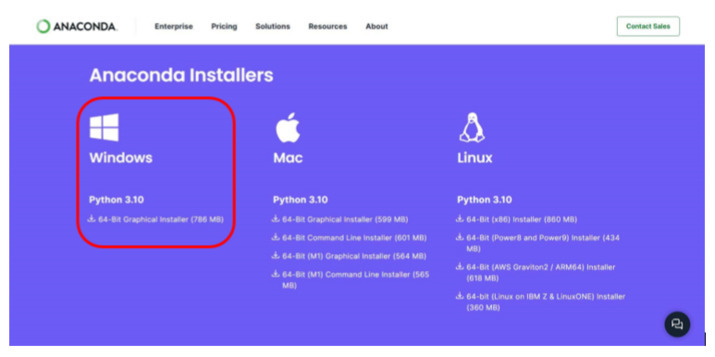
Step 1: Download Anaconda
Visit the official Anaconda website and download the installer for your operating system ?

Step 2: Run the Installer
Execute the downloaded installer and follow the installation wizard ?
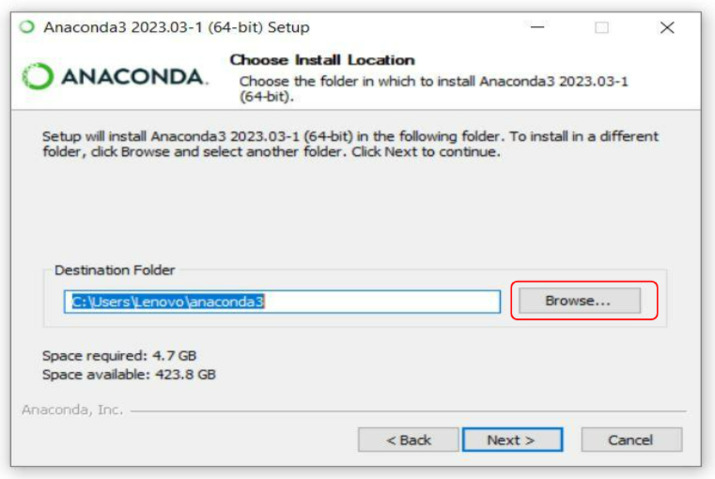
Step 3: Choose Installation Location
Select the installation directory. The default location is usually recommended ?

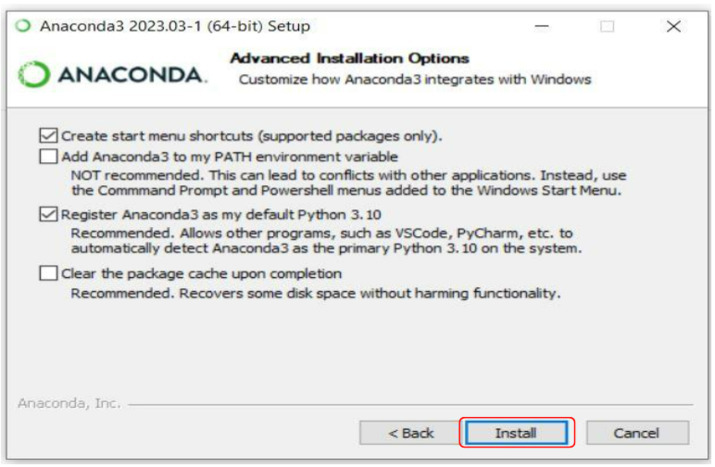
Step 4: Complete Installation
Click Install and wait for the installation to complete ?
Setting Environment Variables on Windows
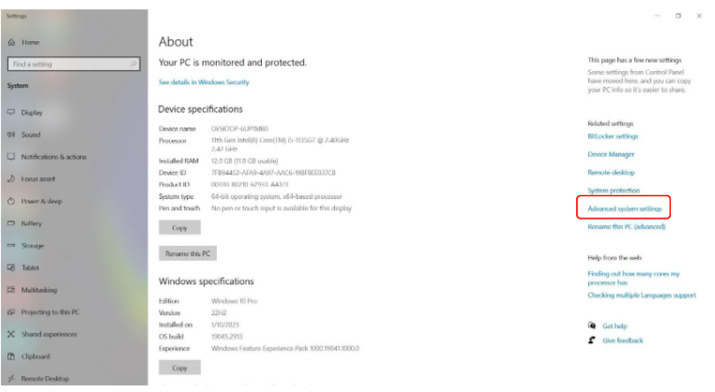
Step 1: Open Advanced System Settings
Go to Settings ? System ? About ? Advanced system settings ?
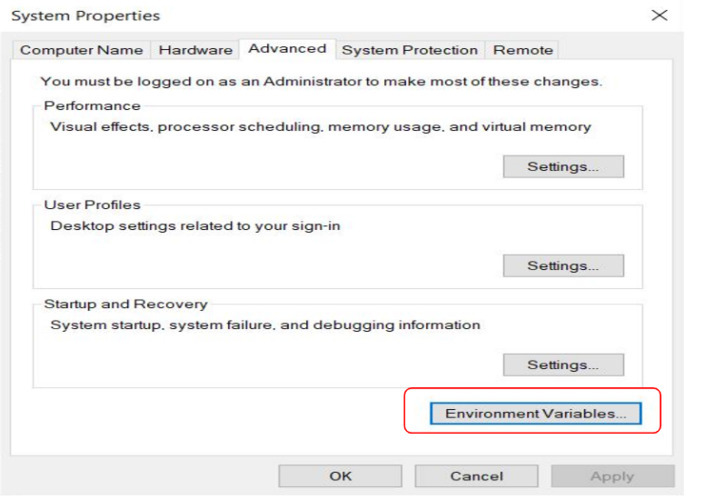
Step 2: Access Environment Variables
In System Properties, click "Environment Variables" ?
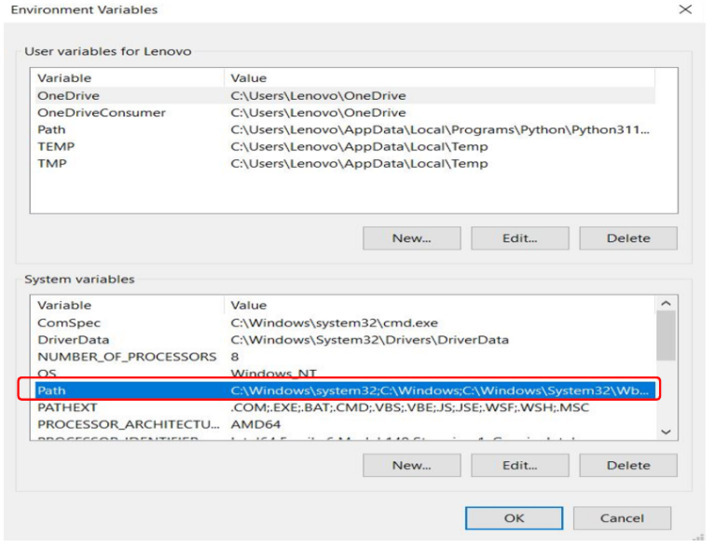
Step 3: Edit PATH Variable
In the Environment Variables dialog, find "Path" in System variables and click "Edit" ?
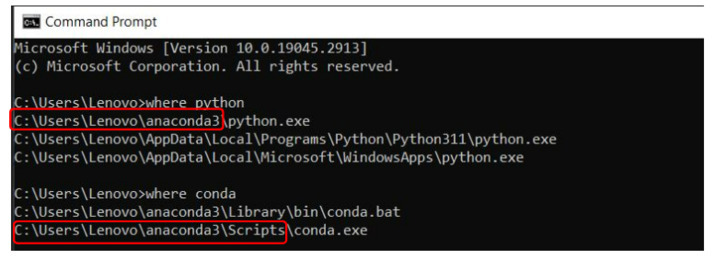
Step 4: Find Anaconda Paths
Open Command Prompt and run these commands to find your Anaconda installation paths ?
where python
where conda
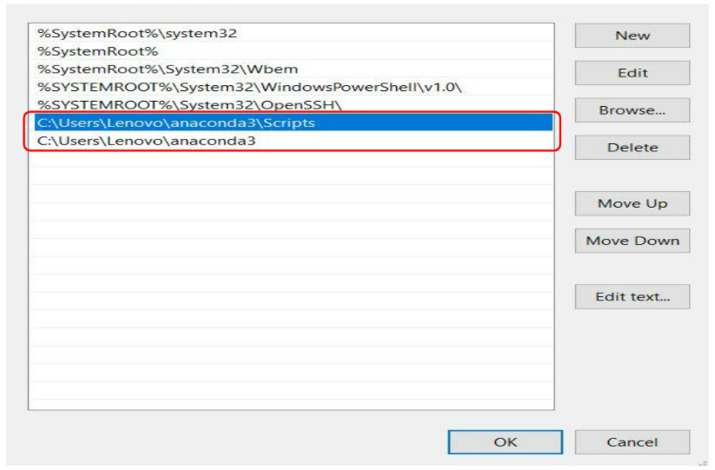
Step 5: Add Paths to Environment Variables
Copy the paths from the command output and add them to your PATH environment variable. Typically, you'll need to add ?
C:\Users\[Username]\Anaconda3C:\Users\[Username]\Anaconda3\ScriptsC:\Users\[Username]\Anaconda3\Library\bin
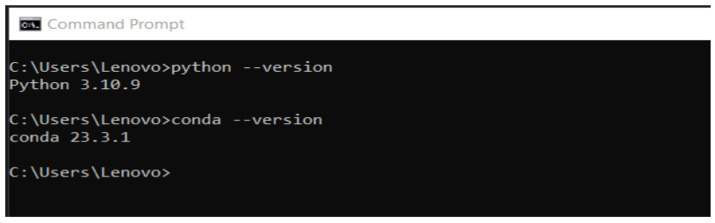
Step 6: Verify Installation
Open a new Command Prompt and verify the installation ?
python --version
conda --version
Setting Environment Variables on macOS/Linux
For macOS and Linux users, add the following lines to your shell profile (~/.bashrc, ~/.zshrc, or ~/.bash_profile) ?
# Add Anaconda to PATH
export PATH="$HOME/anaconda3/bin:$PATH"
Then reload your shell configuration ?
source ~/.bashrc # or ~/.zshrc
Key Benefits
Package Management Easy installation and management of Python packages
Environment Management Create isolated environments for different projects
Data Science Tools Includes popular libraries like NumPy, Pandas, and Matplotlib
Cross-Platform Works on Windows, macOS, and Linux
Conclusion
Setting up Anaconda's path in environment variables enables global access to Python and conda commands. This setup is essential for data science workflows and makes package management significantly easier. Once configured, you can create virtual environments, install packages, and run Python scripts from any terminal.

8K+ Views
