
Article Categories
- All Categories
-
 Data Structure
-
 Networking
-
 RDBMS
RDBMS
-
 Operating System
-
 Java
Java
-
 MS Excel
-
 iOS
iOS
-
 HTML
HTML
-
 CSS
CSS
-
 Android
-
 Python
-
 C Programming
-
 C++
C++
-
 C#
C#
-
 MongoDB
-
 MySQL
MySQL
-
 Javascript
-
 PHP
PHP
-
 Economics & Finance
The Best Linux based OS Distributions in 2016
This article helps you understand the key features of Linux operating systems to choose the right distribution for your environment. The year 2016 marked a crucial period for Linux, especially in enterprise-level and consumer segments. As Linux has evolved significantly over the past two decades, various distributions now cater to specific use cases and requirements.
Free/Open Source Server Distributions
Debian and CentOS
For server deployments requiring free or open-source solutions without subscription fees (unlike RHEL or SLE), Debian and CentOS are excellent choices. These community-based distributions offer high standards for server environments with long-term support, eliminating concerns about frequent system upgrades.
| Distribution | Base | Support Period | Best For |
|---|---|---|---|
| Debian | Independent | 3+ years | Web servers, development |
| CentOS | RHEL clone | 10 years | Enterprise servers |
Enterprise-Level Operating Systems
Enterprise environments typically choose Red Hat Enterprise Linux (RHEL) or SUSE Linux Enterprise (SLE). These commercial distributions provide professional support, certified hardware compatibility, and enterprise-grade security features essential for mission-critical applications.
Specialized Linux Distributions
Solus − The Independent Distribution
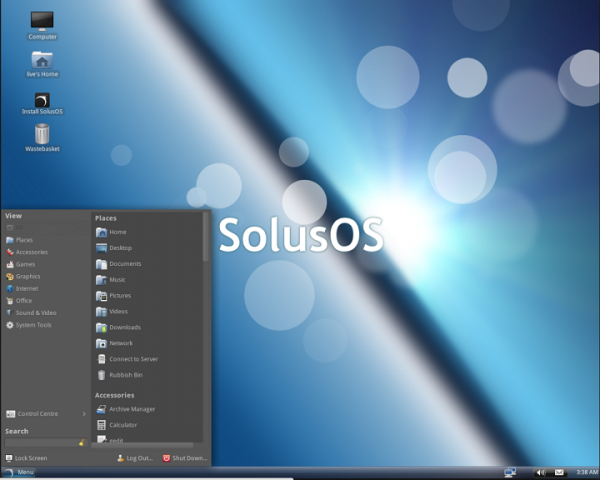
Solus gained significant attention as a distribution built from scratch, not derived from Debian or Ubuntu. It features the Budgie desktop environment, offering a clean, modern interface with GNOME integration. Rebuilt in 2015 under the Solus name, it follows a similar philosophy to Chrome OS with focus on simplicity and user experience.
Chrome OS − Cloud-Centric Computing
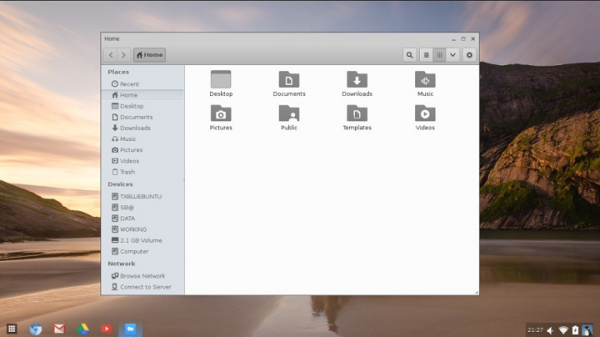
Chrome OS represents a browser-based operating system designed for online activities. Built on Linux with available source code, it provides maintenance-free computing with automatic updates. This distribution excels for users primarily engaged in web-related activities and has contributed to Linux's popularity on both PC and mobile platforms.
openSUSE − The Enterprise Connection

SUSE, one of the oldest Linux companies formed shortly after Linus Torvalds announced Linux, sponsors the community-based openSUSE. In 2015, openSUSE introduced openSUSE Leap, directly based on SUSE Linux Enterprise, creating a distribution that shares DNA with enterprise-grade systems similar to the CentOS-RHEL relationship.
Customizable and Learning-Focused Distributions
Arch Linux − Ultimate Customization

Arch Linux follows a rolling-release model, providing access to the latest packages and pre-release software through unstable repositories. Known for the comprehensive Arch Wiki, it offers extensive package availability and customization options. Users build their system from a minimal foundation, making it ideal for learning Linux internals through manual installation processes.
Hardware-Specific Distributions
Ubuntu MATE − Laptop Optimization
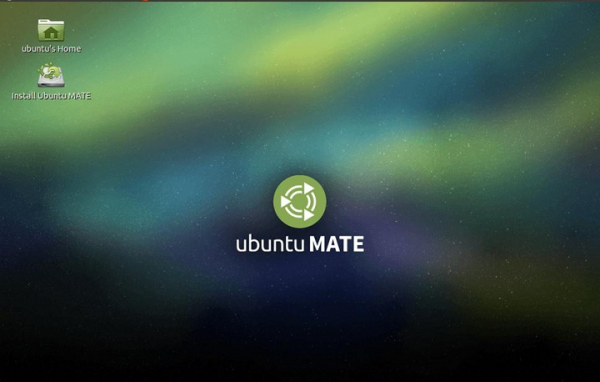
Ubuntu MATE provides a lightweight alternative for laptops and systems with moderate hardware specifications. Its resource-efficient design keeps system resources available for applications while maintaining functionality for demanding tasks.
Lubuntu − Legacy Hardware Revival
For older hardware, Lubuntu offers new life to aging systems. Based on LXDE (transitioning to LXQt in newer versions), it minimizes resource usage while providing a functional Linux environment for legacy computers.
Desktop and Specialized Use Cases
Linux Mint Cinnamon − Desktop Excellence
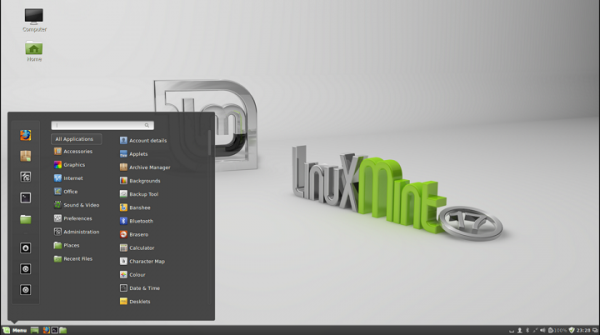
Linux Mint with Cinnamon desktop provides an excellent desktop experience, often compared to macOS for its stability and user-friendly interface. The developers focus extensively on refining the Cinnamon environment for optimal desktop computing.
Steam OS − Gaming Platform
Valve Software's Steam OS addresses Linux gaming limitations by creating a dedicated gaming platform. This open-source operating system aims to reduce dependency on Windows for gaming through Steam's extensive game library.
Tails − Privacy and Security
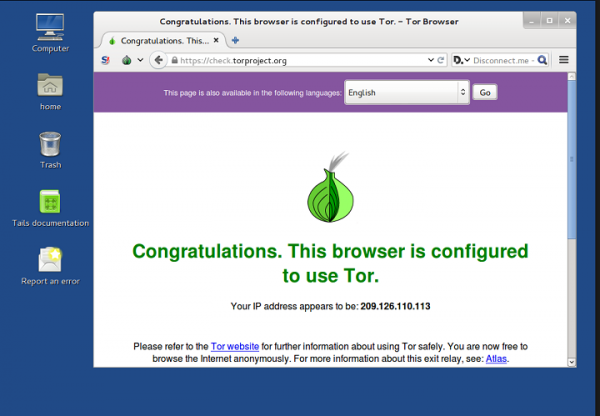
For privacy-conscious users, Tails (The Amnesic Incognito Live System) offers unparalleled security. This Debian-based distribution provides privacy and anonymity by design, protecting users from surveillance and tracking.
Ubuntu Studio − Multimedia Production

Ubuntu Studio addresses Linux's multimedia production needs with Xfce desktop environment and comprehensive audio, video, and image editing applications. Its lightweight design preserves system resources for intensive multimedia work.
Mobile and ARM Platforms
Plasma Mobile − Traditional Linux on Mobile

While Android dominates mobile Linux, Plasma Mobile offers traditional Linux desktop applications on mobile devices, appealing to users seeking familiar Linux functionality on smartphones and tablets.
Arch Linux ARM − ARM Device Support
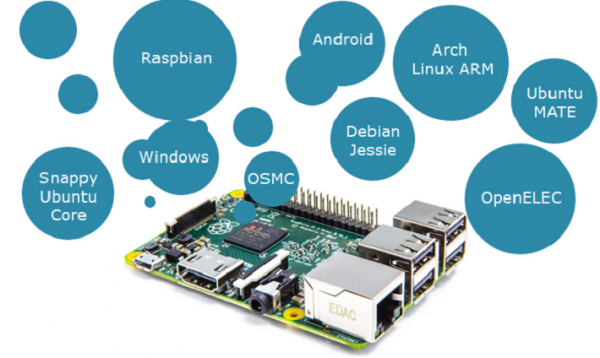
Arch Linux ARM (ALARM) extends Arch Linux to ARM devices including Raspberry Pi, Chromebooks, and NVIDIA Shield. Unlike hardware-specific distributions like Raspbian, ALARM provides broader ARM compatibility with access to the Arch User Repository (AUR).
Conclusion
Linux distributions in 2016 offered specialized solutions for every computing need, from enterprise servers to privacy-focused systems. Whether seeking customization, hardware compatibility, or specific use cases, the diverse Linux ecosystem provided tailored solutions for users across all experience levels and requirements.

548 Views
