
Article Categories
- All Categories
-
 Data Structure
-
 Networking
-
 RDBMS
RDBMS
-
 Operating System
-
 Java
Java
-
 MS Excel
-
 iOS
iOS
-
 HTML
HTML
-
 CSS
CSS
-
 Android
-
 Python
-
 C Programming
-
 C++
C++
-
 C#
C#
-
 MongoDB
-
 MySQL
MySQL
-
 Javascript
-
 PHP
PHP
-
 Economics & Finance
Selected Reading
What is the difference between String s1 = "Hello" and String s1= new String("Hello") in java?
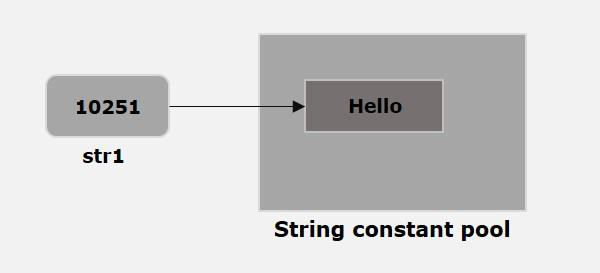
When you store a String as
String str1 = "Hello";
directly, then JVM creates a String object with the given value in a separate block of memory known as String constant pool.
And whenever we try to create another String as
String str2 = "Hello";
JVM verifies whether any String object with the same value exists in the String constant pool, if so, instead of creating a new object JVM assigns the reference of the existing object to the new variable.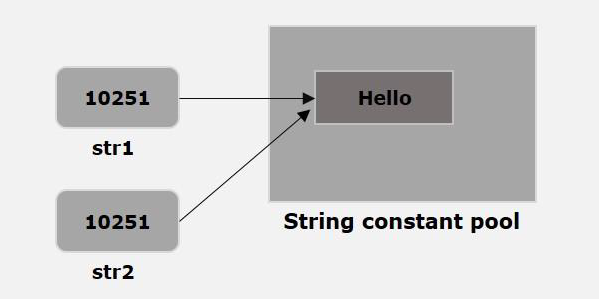
And when we store String as
String str = new String("Hello");
using the new keyword, a new object with the given value is created irrespective of the contents of the String constant pool.

Updated on: 2020-02-19T12:48:04+05:30
4K+ Views

Advertisements