
Article Categories
- All Categories
-
 Data Structure
-
 Networking
-
 RDBMS
RDBMS
-
 Operating System
-
 Java
Java
-
 MS Excel
-
 iOS
iOS
-
 HTML
HTML
-
 CSS
CSS
-
 Android
-
 Python
-
 C Programming
-
 C++
C++
-
 C#
C#
-
 MongoDB
-
 MySQL
MySQL
-
 Javascript
-
 PHP
PHP
-
 Economics & Finance
Speed up a slow pc without spending money
When your PC gets slow, don't immediately blame the hardware. While upgrading RAM, CPU, or switching to an SSD can help, these solutions require spending money. You can significantly improve your PC's performance by applying optimization techniques that address system problems without purchasing additional software or hardware.
This article provides practical methods to speed up your slow PC using built-in Windows tools and simple maintenance practices.
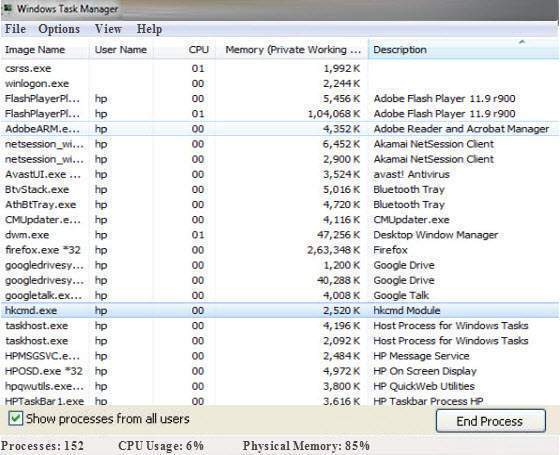
Stop Unwanted Processes Using Task Manager
Your computer may be running numerous processes that consume valuable system resources. To identify resource-heavy processes:
Right-click on the taskbar and select Task Manager
Click the Processes tab, then click the CPU column header to sort by CPU usage
Review the list to identify unnecessary processes consuming high resources
Select unwanted processes and click End Process
Caution: Only end processes you recognize as non-essential. System processes should not be terminated.
Disable Startup Applications
Windows automatically loads many applications during boot, which can significantly slow down your system. These appear as small icons in the system tray (notification area) on the right side of the taskbar. Each running program consumes memory and processing power.
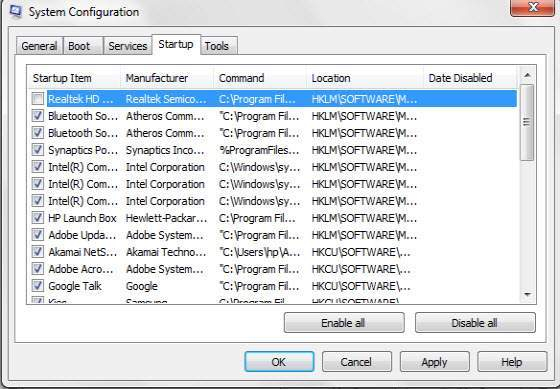
Method 1: System Configuration (Windows 7 and earlier)
1. Press Windows + R
2. Type "msconfig" and press Enter
3. Click the "Startup" tab
4. Uncheck unwanted applications
5. Click "Apply" and "OK"
6. Restart your computer
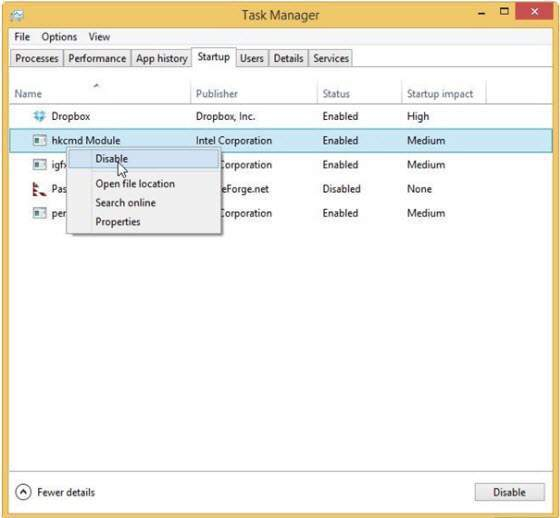
Method 2: Task Manager (Windows 8/10/11)
1. Right-click taskbar and select "Task Manager"
2. Click "More details" if needed
3. Go to the "Startup" tab
4. Right-click unwanted programs and select "Disable"
Remove Malware and Security Threats
Malware, trojans, and other security threats are common causes of system slowdowns. These threats typically come from:
Suspicious email attachments
Questionable websites
Torrent and file-sharing sites
Prevention and removal:
Install reliable antivirus software (free options: Avast, AVG, Avira AntiVir)
Keep virus definitions updated automatically
Perform daily system scans
Avoid suspicious downloads and websites
Optimize Application Usage
Running multiple applications simultaneously divides system resources, slowing down all programs. Practice these habits:
Open only necessary applications
Close programs when finished using them
Use lightweight alternatives for resource-heavy software when possible
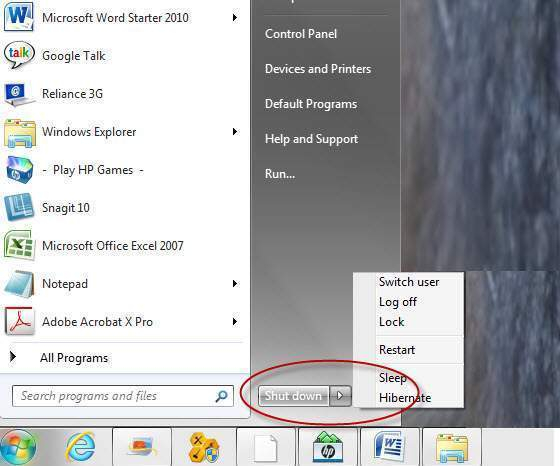
Perform Regular Restarts
Some applications don't properly release memory after closing, leading to memory leaks. A complete shutdown and restart clears the system memory and stops all processes.
Best practice: Restart your computer at least once daily, especially after heavy usage.
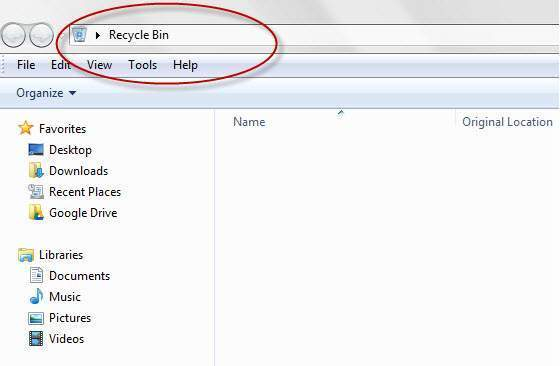
Clean the Recycle Bin
Deleted files remain in the Recycle Bin until permanently removed, consuming hard drive space. Regular cleanup:
Double-click the Recycle Bin on your desktop
Review files before permanent deletion
Click Empty Recycle Bin to free up space
More available hard drive space improves system performance and application loading times.
Uninstall Unused Programs
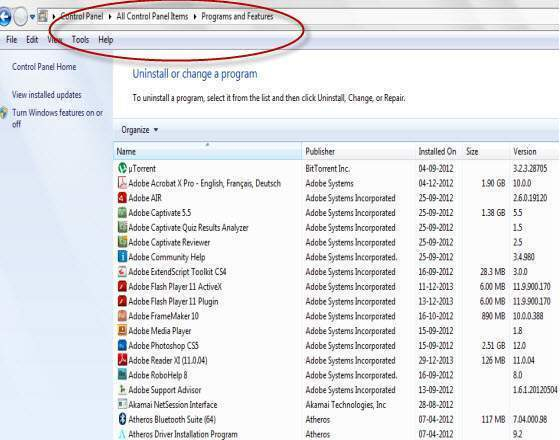
Remove applications and games you no longer need. Old, unused software occupies valuable storage space and may run background processes.
1. Open Control Panel
2. Go to "Programs and Features" (or "Add or Remove Programs")
3. Select unused applications
4. Click "Uninstall"
5. Follow the uninstall wizard
Check for Hard Drive Errors
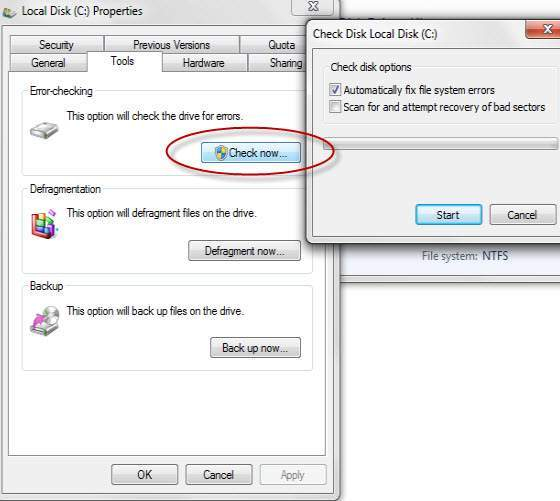
Hard drive errors can significantly impact system performance. Use Windows' built-in error checking tool:
1. Open "My Computer" or "This PC"
2. Right-click on a hard drive
3. Select "Properties"
4. Go to the "Tools" tab
5. Click "Check now" in Error-checking section
6. Select checking options and click "Start"
Delete Temporary Files
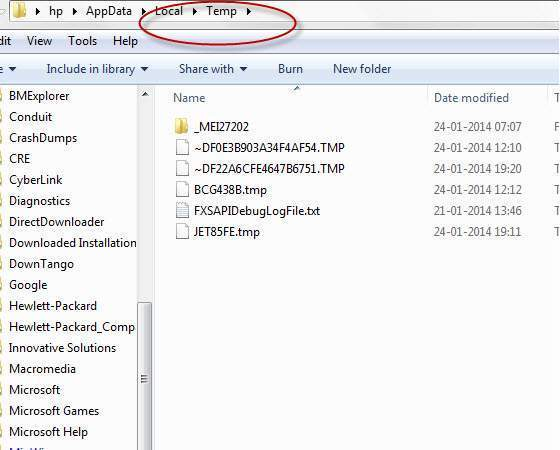
Temporary files accumulate over time, consuming storage space unnecessarily. To clean temporary files:
Quick Method
1. Press Windows + R
2. Type "%TEMP%" and press Enter
3. Select all files (Ctrl + A)
4. Delete selected files
5. Skip any files that cannot be deleted
Manual Locations
Windows XP:
C:\Documents and Settings\[username]\Local Settings\TempWindows Vista/7/8/10/11:
C:\Users\[username]\AppData\Local\Temp
Maintenance Schedule
Create a regular maintenance routine for optimal performance:
| Frequency | Tasks |
|---|---|
| Daily | Close unused programs, restart system |
| Weekly | Empty Recycle Bin, run antivirus scan |
| Monthly | Delete temporary files, check for updates |
| Quarterly | Uninstall unused programs, check disk errors |
Conclusion
These optimization techniques can significantly improve your PC's performance without spending money on hardware upgrades. Dedicating 10-15 minutes daily to system maintenance will keep your computer running efficiently. Regular cleanup and proper system management deliver better productivity while keeping costs minimal.

294 Views
