
Article Categories
- All Categories
-
 Data Structure
-
 Networking
-
 RDBMS
RDBMS
-
 Operating System
-
 Java
Java
-
 MS Excel
-
 iOS
iOS
-
 HTML
HTML
-
 CSS
CSS
-
 Android
-
 Python
-
 C Programming
-
 C++
C++
-
 C#
C#
-
 MongoDB
-
 MySQL
MySQL
-
 Javascript
-
 PHP
PHP
-
 Economics & Finance
Home Networks
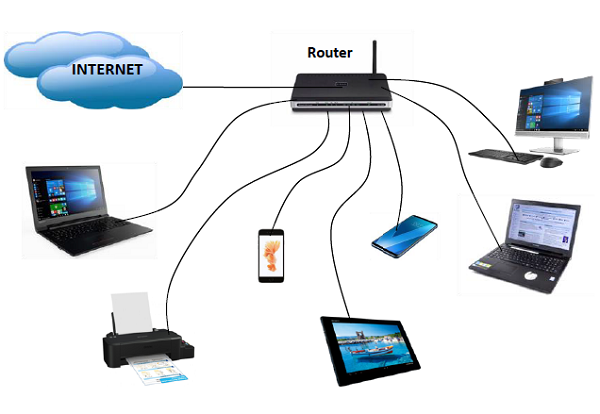
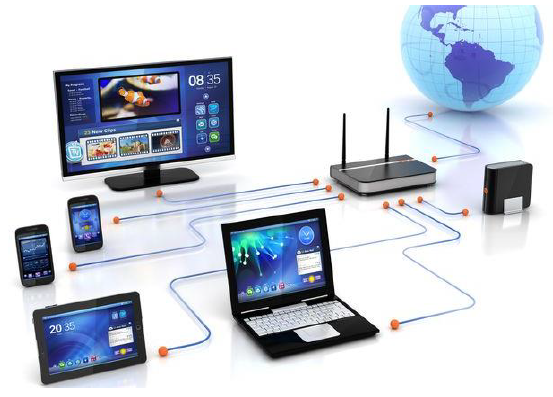
A home network is a small-sized LAN that is used to connect devices within the small area of a home. It facilitates sharing of files, peripheral devices, programs, and Internet access among the computers in a home. Home networks may be wired, i.e., connections within devices are done with cables; or wireless, i.e., connections are provided using Wi-Fi and Bluetooth.
Most modern home networks use a combination of both wired and wireless connections. A typical setup involves an Internet Service Provider (ISP) connection coming into a modem, which connects to a wireless router that distributes the network to all devices in the home.
Home Network Components
The original article listed the purpose of home networks but actually described the key hardware components. Following are the essential devices used in a home network −
-
Modem − Connects your home to the ISP. It converts the incoming signal (cable, DSL, or fiber) into data your network devices can use.
-
Router − Distributes the Internet connection to multiple devices in the home, either through wired Ethernet ports or wirelessly via Wi-Fi.
-
Network Switch − Expands the number of wired Ethernet ports available. Used when the router alone does not have enough ports for all wired devices.
-
Network Bridge − Connects two separate network segments in the home, allowing devices on both segments to communicate as a single network.
-
Home Automation Controller − A hub that manages smart home devices such as lights, thermostats, security cameras, and door locks over the home network.
Types of Home Networks
| Type | Medium | Speed | Best For |
|---|---|---|---|
| Wired (Ethernet) | Cat5e / Cat6 cables | 100 Mbps - 10 Gbps | Desktop PCs, gaming consoles, NAS |
| Wireless (Wi-Fi) | Radio waves (2.4 / 5 GHz) | Up to 9.6 Gbps (Wi-Fi 6) | Laptops, phones, smart devices |
| Powerline | Existing electrical wiring | Up to 2 Gbps | Rooms with no Ethernet or weak Wi-Fi |
Purpose of Home Networks
Home networks serve several practical purposes −
-
Internet sharing − A single broadband connection is shared among all devices in the household.
-
File and media sharing − Photos, videos, and documents can be shared between computers or streamed to smart TVs.
-
Peripheral sharing − Devices like printers and scanners can be accessed by any computer on the network.
-
Home automation − Smart home devices are controlled and coordinated over the network.
-
Online gaming and streaming − Multiple users can game or stream content simultaneously.
Conclusion
A home network connects all devices within a household, enabling Internet sharing, file transfers, and smart home automation. Most home networks use a combination of a modem, router, and Wi-Fi to provide both wired and wireless connectivity. Understanding the key components and network types helps in setting up a reliable and efficient home network.

3K+ Views
