
Article Categories
- All Categories
-
 Data Structure
-
 Networking
-
 RDBMS
RDBMS
-
 Operating System
-
 Java
Java
-
 MS Excel
-
 iOS
iOS
-
 HTML
HTML
-
 CSS
CSS
-
 Android
-
 Python
-
 C Programming
-
 C++
C++
-
 C#
C#
-
 MongoDB
-
 MySQL
MySQL
-
 Javascript
-
 PHP
PHP
-
 Economics & Finance
Top 8 JavaScript Books For Beginners to Advanced
JavaScript is a versatile, powerful language that can also be used for server-side scripting, opening up numerous career opportunities in web development. Understanding JavaScript is essential whether you're just starting out or already on your coding journey. The recommended books below offer various approaches to mastering JavaScript, helping you become a more creative and effective developer.
Top 8 JavaScript Books For Beginners to Advanced
Here are my top 8 book recommendations for mastering JavaScript. Whether you're a beginner or an experienced developer, there's something valuable for everyone on this list.
- JavaScript: The Good Parts
- You Don't Know JS series
- JavaScript: The Definitive Guide
- Eloquent JavaScript (3rd Edition)
- JavaScript & jQuery: Interactive Front-End Web Development
- Secrets of the JavaScript Ninja
- A Smarter Way to Learn JavaScript
- Head First JavaScript Programming
This is not a promotional post ? these books are listed based on reviews by JavaScript experts and new readers.
1. JavaScript: The Good Parts
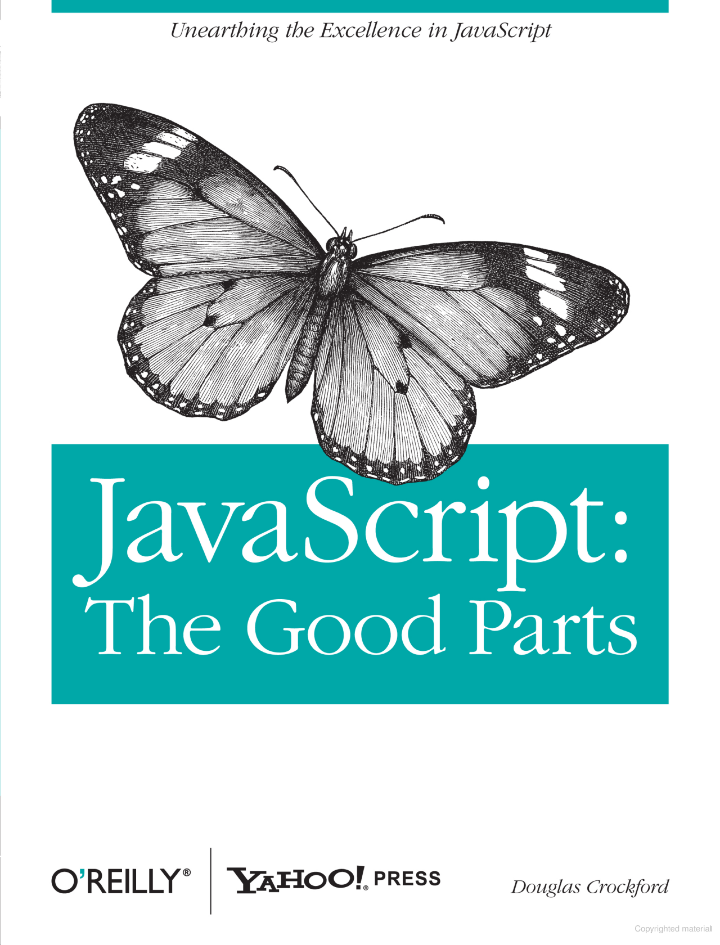
"JavaScript: The Good Parts" by Douglas Crockford is a concise guide that focuses on the best and most reliable features of JavaScript. Crockford, who played an important role in the language's development, highlights the best practices and patterns in JavaScript. He helps developers avoid the tricky parts and maximize their strengths.
Pros- Focuses on best practices and strengths of JavaScript
- Offers deep insights into the language's core concepts
- Concise and to the point ? no unnecessary fluff
- Helps developers avoid common JavaScript pitfalls
- Doesn't cover modern ES6+ features comprehensively
- Some readers might want more detailed explanations due to its concise nature
- Some information feels outdated given JavaScript's rapid evolution
2. You Don't Know JS series
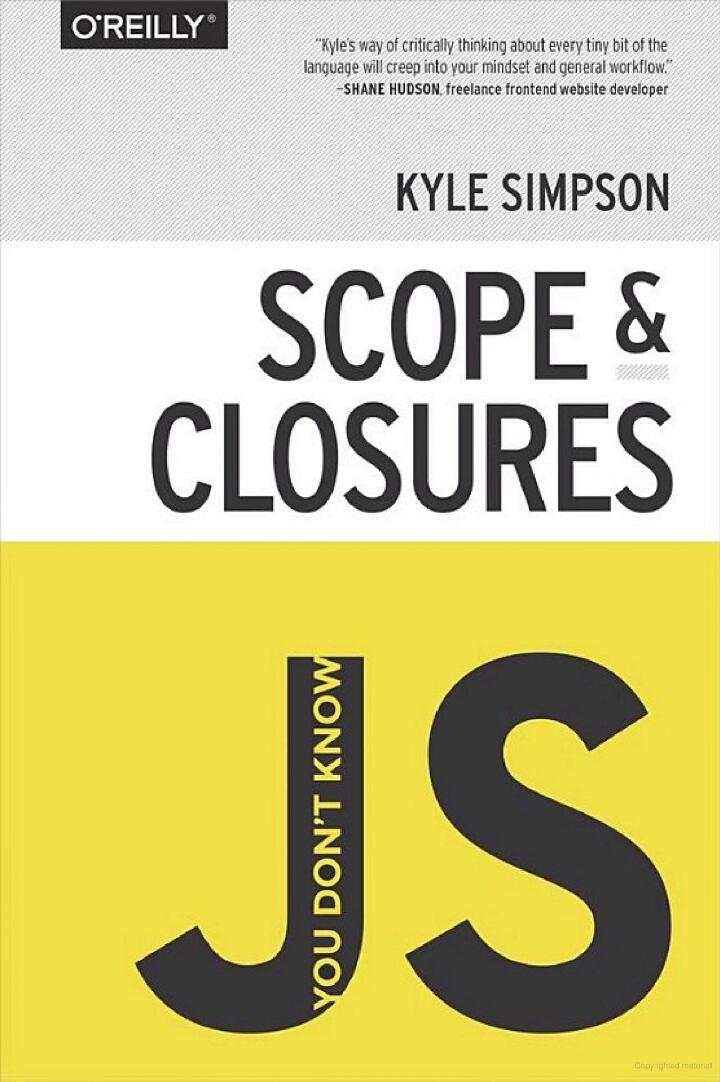
The "You Don't Know JS" series by Kyle Simpson is a deep dive into JavaScript that challenges what you think you know about the language. Each book focuses on different aspects of JavaScript, covering both fundamentals and advanced topics. The series is praised for its clear explanations and helps you understand the "why" behind JavaScript's behavior, making it invaluable for developers who want to truly master the language.
Pros- Comprehensive coverage of both basic and advanced JavaScript topics
- Explains the "why" behind JavaScript's behavior
- Suitable for beginners through experienced developers
- Covers modern JavaScript practices relevant to today's development
- Dense content that may be challenging for absolute beginners
- Requires significant time investment to work through thoroughly
- Can be overwhelming for those seeking quick reference materials
3. JavaScript: The Definitive Guide
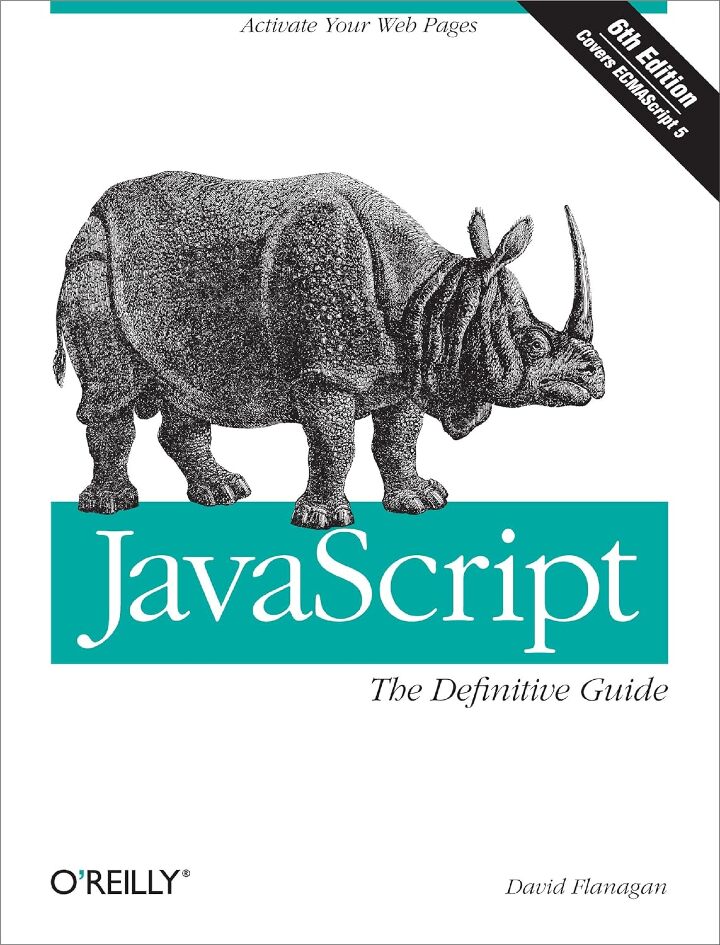
"JavaScript: The Definitive Guide" by David Flanagan is considered the comprehensive reference for JavaScript developers. It covers everything from basics to advanced topics with clear explanations and practical examples. Many developers consider it the most trusted reference available, making it perfect for both learning and day-to-day reference.
Pros- Comprehensive coverage from basics to advanced topics
- Highly respected as a trusted reference resource
- Clear explanations that help with complex concepts
- Abundant practical examples and code snippets
- Dense and lengthy ? can be overwhelming for casual readers
- Better suited as a reference than a learning guide for beginners
- Writing style can feel academic and dry at times
4. Eloquent JavaScript (3rd Edition)
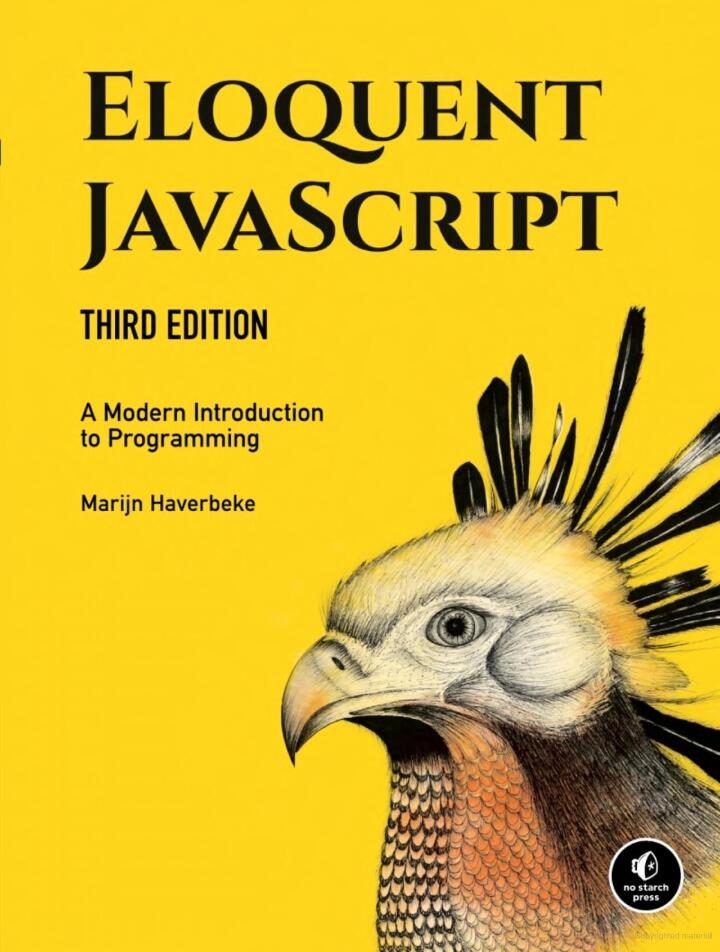
"Eloquent JavaScript (3rd Edition)" by Marijn Haverbeke provides an excellent introduction to JavaScript and programming concepts. It offers clear explanations with practical examples and exercises that help build a solid understanding of JavaScript. The book covers fundamental concepts while exploring advanced topics, balancing theory with hands-on practice in an engaging and friendly writing style.
Pros- Clear and engaging explanations of JavaScript concepts
- Practical exercises and projects that reinforce learning
- Updated with modern JavaScript practices
- Comprehensive coverage of both basics and advanced topics
- Some concepts and exercises can be challenging for complete beginners
- Level of detail might overwhelm those seeking quick overviews
- Requires significant time investment for hands-on exercises
5. JavaScript & jQuery: Interactive Front-End Web Development
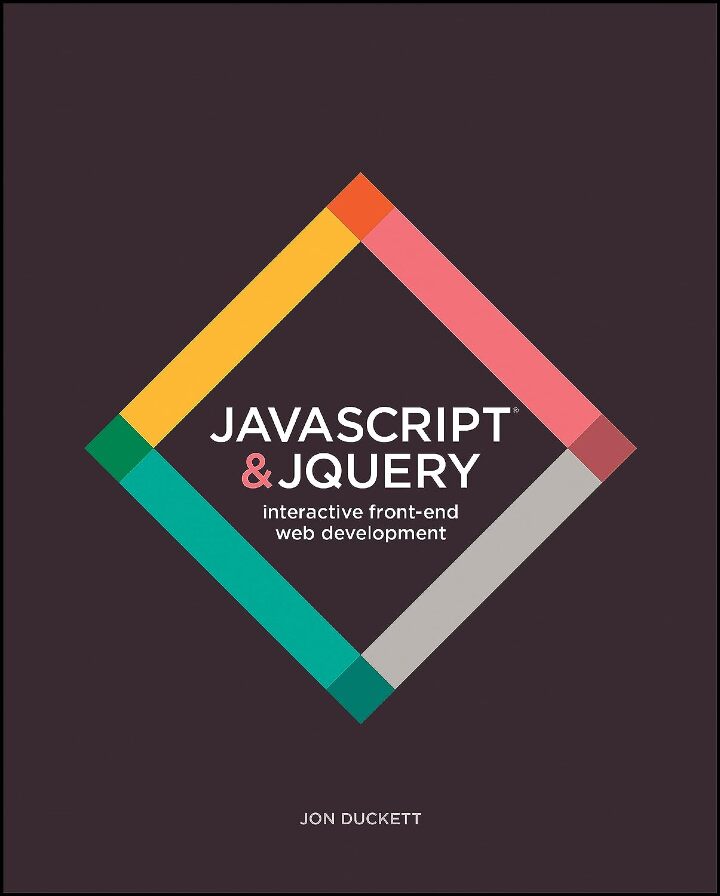
"JavaScript & jQuery: Interactive Front-End Web Development" by Jon Duckett is a visually-rich book that teaches JavaScript and jQuery through interactive examples. The author emphasizes visual learning with clear, step-by-step explanations for creating dynamic web pages. This book provides practical implementation techniques for enhancing web functionality, making it ideal for beginners and front-end developers.
Pros- Beginner-friendly with clear, step-by-step explanations
- Includes practical, real-world examples and projects
- Excellent for front-end developers building dynamic websites
- Well-structured with visual learning approach
- Less suitable for advanced developers
- jQuery content may feel outdated in modern development
- Project-focused approach provides less theoretical depth
6. Secrets of the JavaScript Ninja
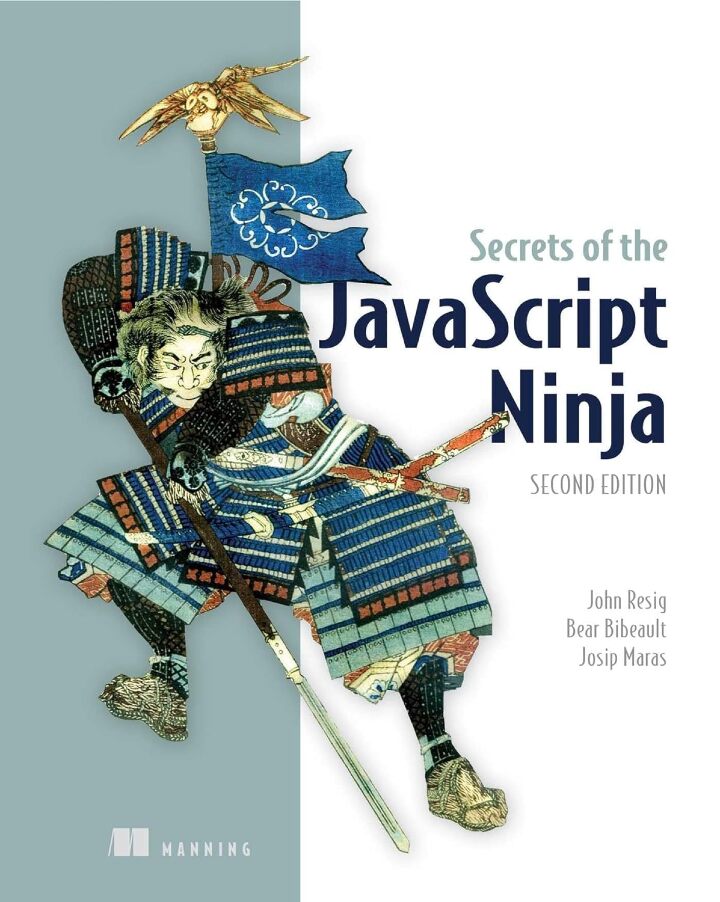
"Secrets of the JavaScript Ninja" by John Resig and Bear Bibeault targets intermediate to advanced JavaScript developers. This book provides deep insights into complex techniques and best practices for enhancing JavaScript skills. It covers functional programming, object-oriented concepts, and advanced coding patterns, focusing on writing efficient and maintainable code with practical exercises for better understanding of JavaScript's complex features.
Pros- Detailed coverage of advanced JavaScript techniques
- Focus on writing efficient and maintainable code
- Includes practical examples and exercises
- Perfect for intermediate to advanced learners
- Not beginner-friendly ? assumes JavaScript knowledge
- Content depth may be overwhelming for some readers
- Requires solid foundation in JavaScript basics
7. A Smarter Way to Learn JavaScript
"A Smarter Way to Learn JavaScript" by Mark Myers offers practical and accessible content that makes JavaScript easier to learn. The book focuses on practice and interactive learning through exercises and quizzes. It breaks complex problems into smaller, manageable pieces using straightforward explanations to ensure readers can quickly grasp concepts.
Pros- Includes practice exercises and quizzes for active learning
- Breaks complex concepts into easier, digestible segments
- Simple, clear, and straightforward explanations
- Perfect for practical, application-oriented learners
- May feel too basic for advanced developers
- Interactive approach might not suit all learning styles
- Less effective for traditional or theory-focused learners
8. Head First JavaScript Programming
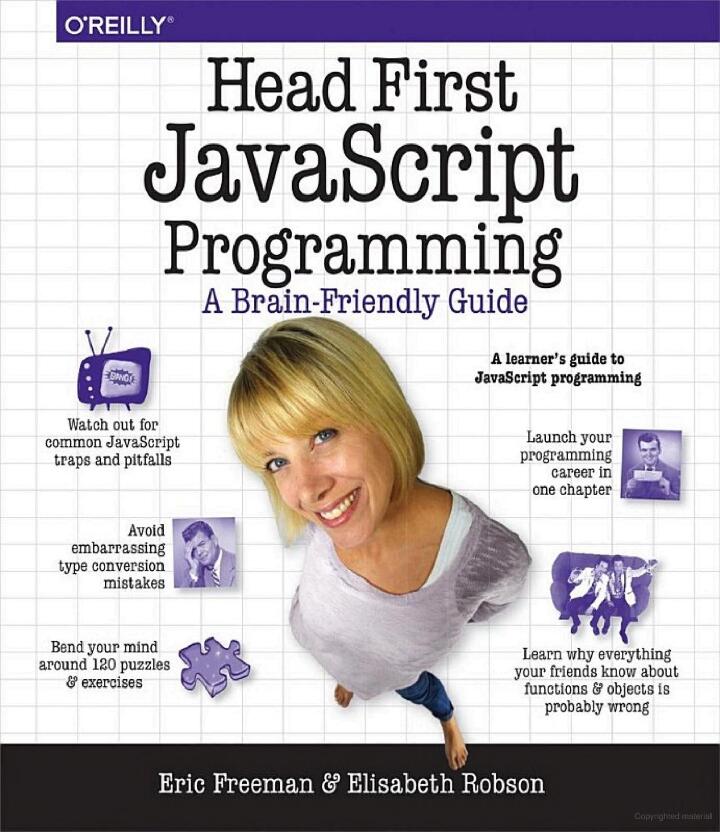
"Head First JavaScript Programming" by Eric Freeman is an engaging and interactive book designed to teach JavaScript through a visual and hands-on approach. It uses various strategies, including puzzles, quizzes, and exercises, to help readers grasp fundamental concepts and apply them in practical situations. The book is known for its beginner-friendly style, making complex topics more accessible and memorable.
Pros- Uses puzzles, quizzes, and exercises for active engagement
- Features visually rich layout with diagrams and illustrations
- Written in an accessible style that simplifies complex topics
- Provides hands-on activities and real-world examples
- May not cover advanced topics in sufficient detail
- Primarily geared toward beginners ? limited value for experienced developers
- Interactive approach may not suit all learning preferences
Choosing the Right Book
Select books based on your current skill level and learning goals. Beginners should start with "Head First JavaScript Programming" or "Eloquent JavaScript," while experienced developers will benefit more from "You Don't Know JS" series or "Secrets of the JavaScript Ninja." For comprehensive reference, "JavaScript: The Definitive Guide" remains unmatched.
Conclusion
These eight JavaScript books offer different approaches to mastering the language, from beginner-friendly visual guides to advanced technique deep-dives. Choose based on your learning style and experience level to accelerate your JavaScript development journey.

1K+ Views
