
Article Categories
- All Categories
-
 Data Structure
-
 Networking
-
 RDBMS
RDBMS
-
 Operating System
-
 Java
Java
-
 MS Excel
-
 iOS
iOS
-
 HTML
HTML
-
 CSS
CSS
-
 Android
-
 Python
-
 C Programming
-
 C++
C++
-
 C#
C#
-
 MongoDB
-
 MySQL
MySQL
-
 Javascript
-
 PHP
PHP
-
 Economics & Finance
Selected Reading
Arduino Uno vs Arduino Due
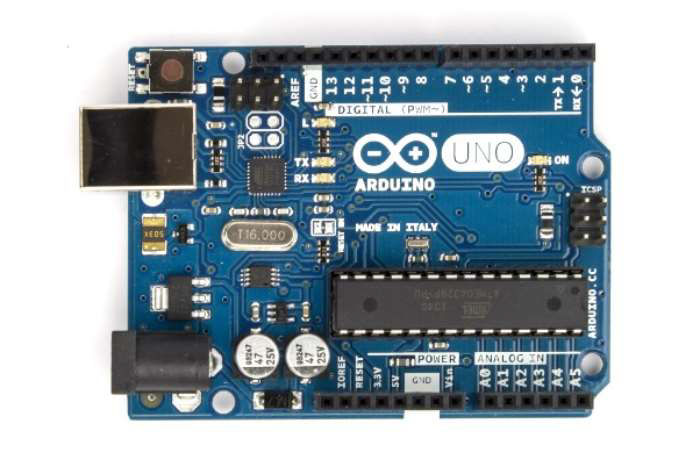
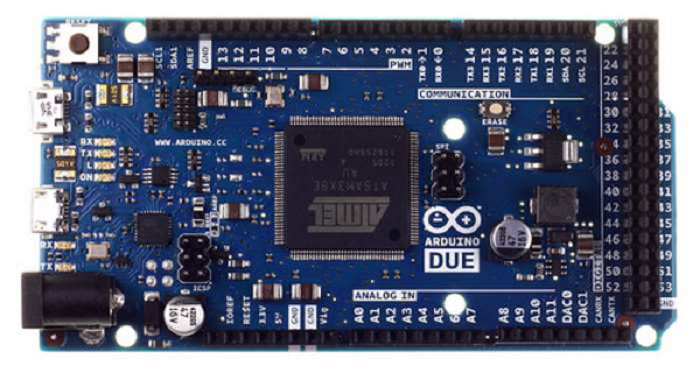
We will have a comparison of the specifications of Arduino Uno and the Arduino Due Board
Arduino Uno
Arduino Due
| Uno | Due | ||
|---|---|---|---|
| General | Dimensions | 2.7¨ x 2.1¨ | 4¨ x 2.1¨ |
| Pricing | $20-23 | $40-42 | |
| Connectivity | I/O Pins | 14 | 54 |
| PWM Pins | 6 | 12 | |
| Analog Pins | 6 | 12 | |
| Analog Out Pins (DAC) | - | 2 | |
| Computing | Processor | ATMega328P | AT91SAM3X8E |
| Flash Memory | 32 kB | 512 kB | |
| SRAM | 2 kB | 96 kB (split in two banks of 64 kB and 32 kB) | |
| EEPROM | 1 kB | - | |
| Clock speed | 16 MHz | 84 MHz | |
| Voltage Level | 5V | 3.3V | |
| USB Connectivity | Standard A/B USB | Micro USB | |
| Communication | Hardware Serial Ports | 1 | 4 |
| SPI Support | Yes | Yes | |
| I2C Support | Yes | Yes |
Note that the Due board differs from other Arduino boards in terms of voltage level. The microcontroller in Arduino due runs at 3.3 V instead of 5 V (common in most other boards). If you connect a higher voltage to the pins, you may end up damaging the board. The board can take power from a USB or a DC plug (at 7-12 V), because there is an onboard voltage regulator, that converts this value to 3.3 V.

Updated on: 2021-07-31T13:18:35+05:30
2K+ Views

Advertisements